Competences
Workshop facilitation
User research and data analysis
Structure, user flows and user experience
KPI metrics, tracking and reporting
Design systems, web and product design
Prototyping and dev hand-off
Conversion rate optimisation
SEO, GEO and traffic strategy
A/B and user testing
Team
Digital designer (Me)
Strategist (Me)
Project manager
Developer
Key results
33% leads increase
User satisfaction
Long client relation
Optimising for conversion, traction and satisfaction
Sesol is a long-term client with whom we have done many projects throughout the years, across design, strategy, and development. As a B2B and B2C company, they deliver solar panels, batteries, and EV chargers – handling the entire journey from planning and installation through to ongoing maintenance, all with their own personnel. They're one of the largest solar companies in their market.
My role spans both design and strategy. As lead designer, I build and maintains their design system while overseeing continuous design work across their website and related products. On the strategy side, I lead initiatives covering information architecture, data and behavioural analysis, experimentation, and conversion rate optimisation. Beyond the day-to-day, I serve as Sesol's primary point of contact for recommendations and insights across their digital efforts.
A design system built to scale
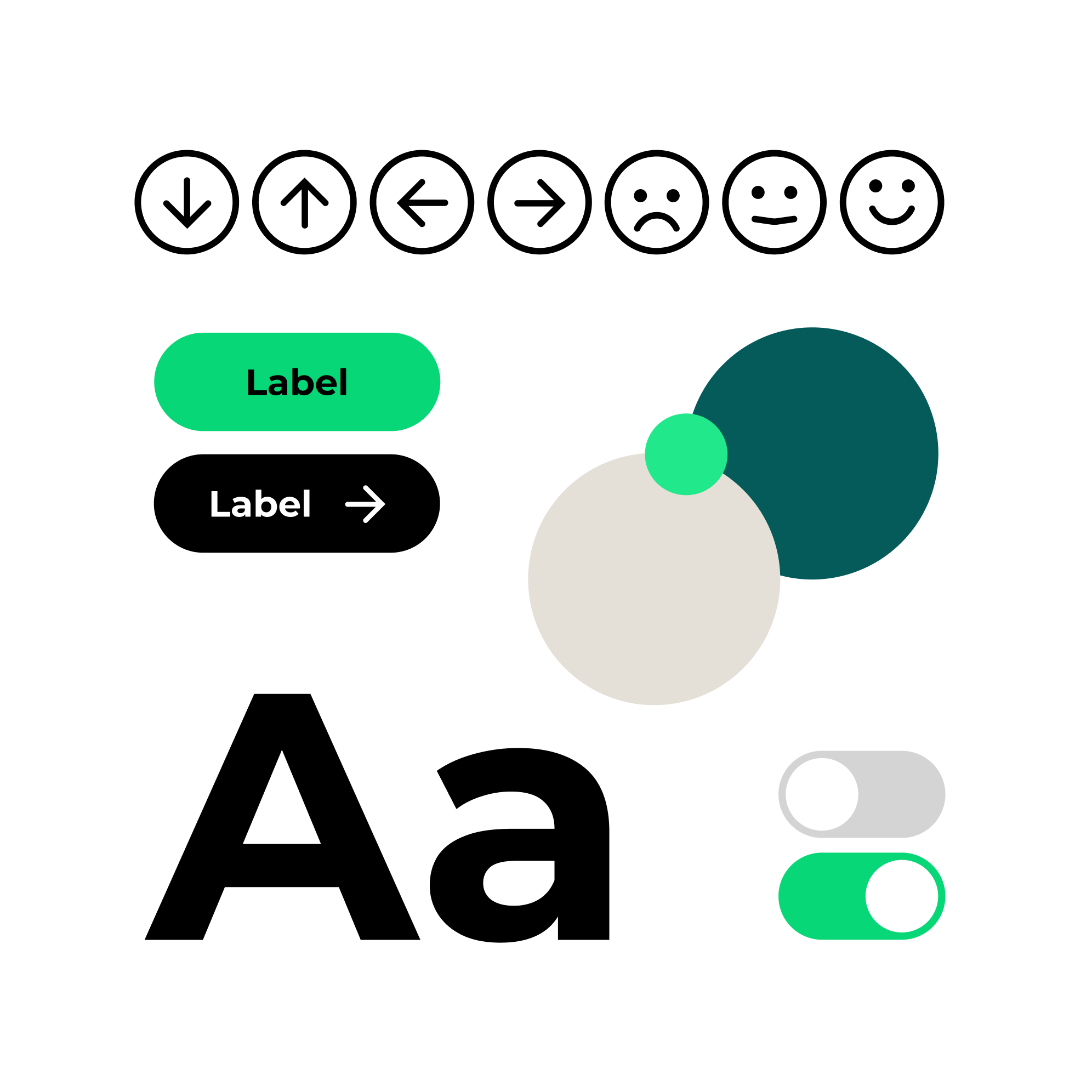
Working across many projects with Sesol over the years, having an established and scalable design system was essential. The collaboration began with rebuilding their website on a more robust technical foundation – an opportunity we used to simultaneously redesign the site and lay the groundwork for the design system's first components.
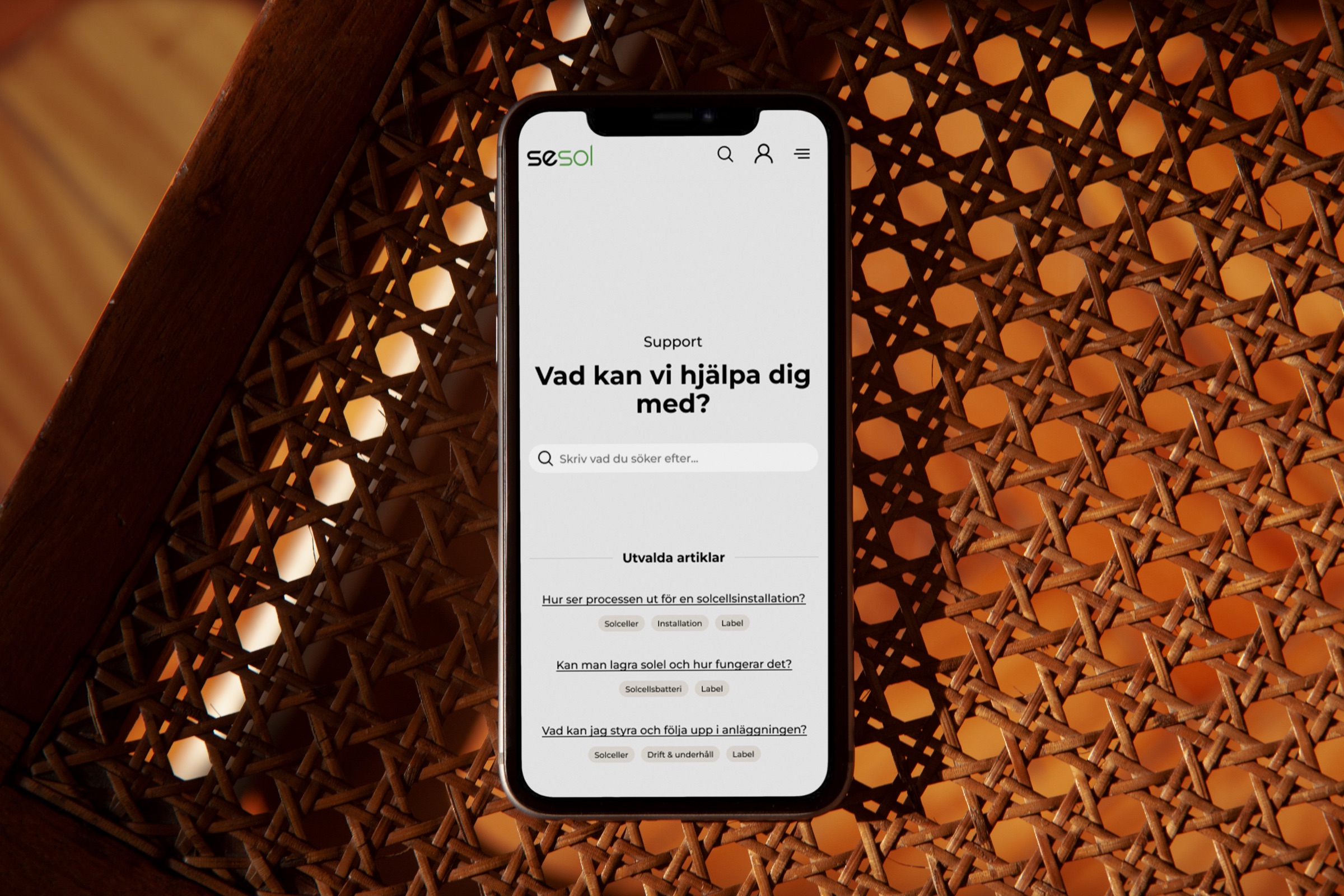
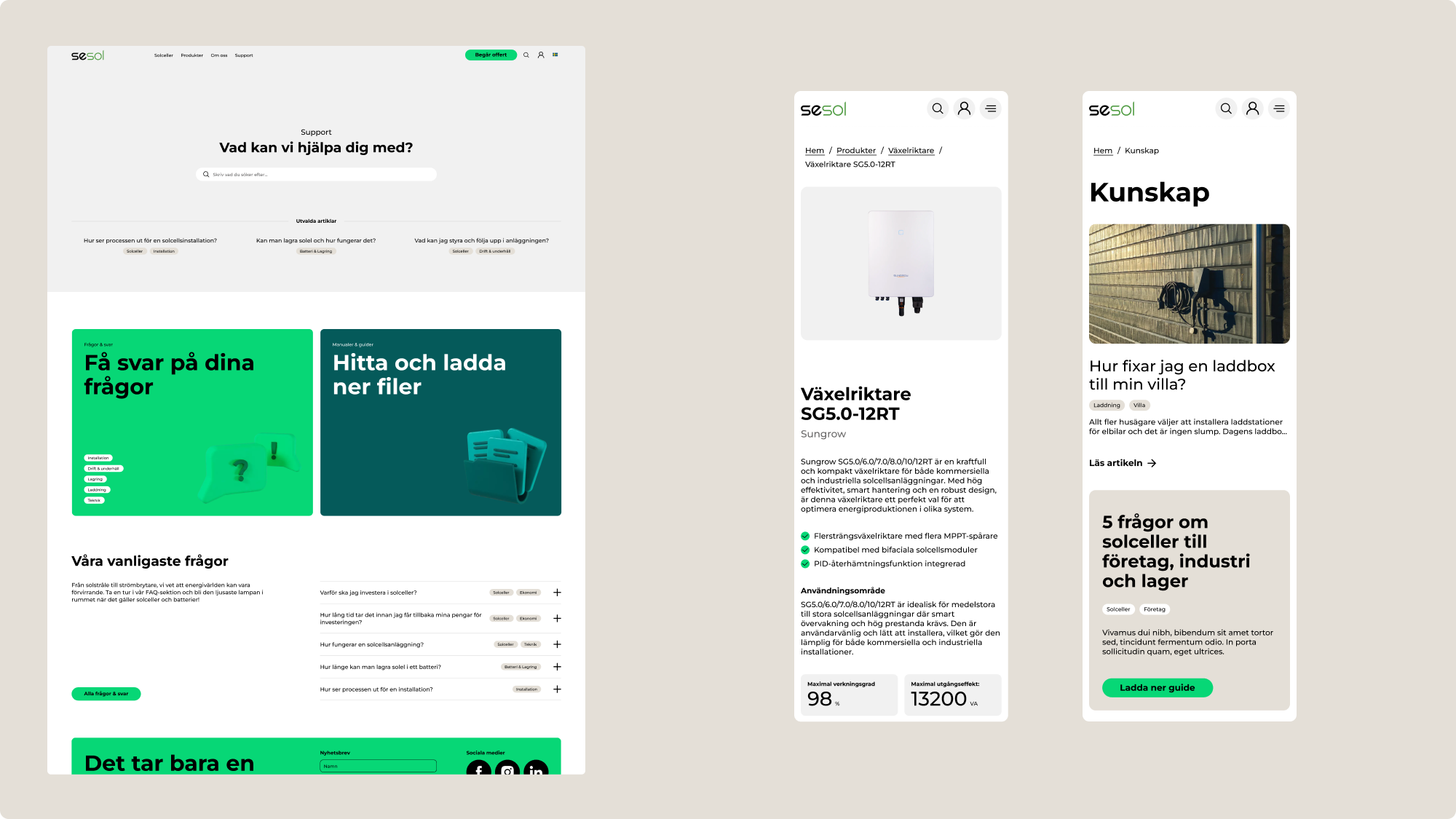
As the website expanded to include additional content sections, product pages, a support hub, and a calculator – alongside various other parallel initiatives – the design system grew into a comprehensive library of components and interaction patterns. I am responsible for building and structuring the design system – ensuring brand consistency and delivery speed across our projects.
From calculation to lead
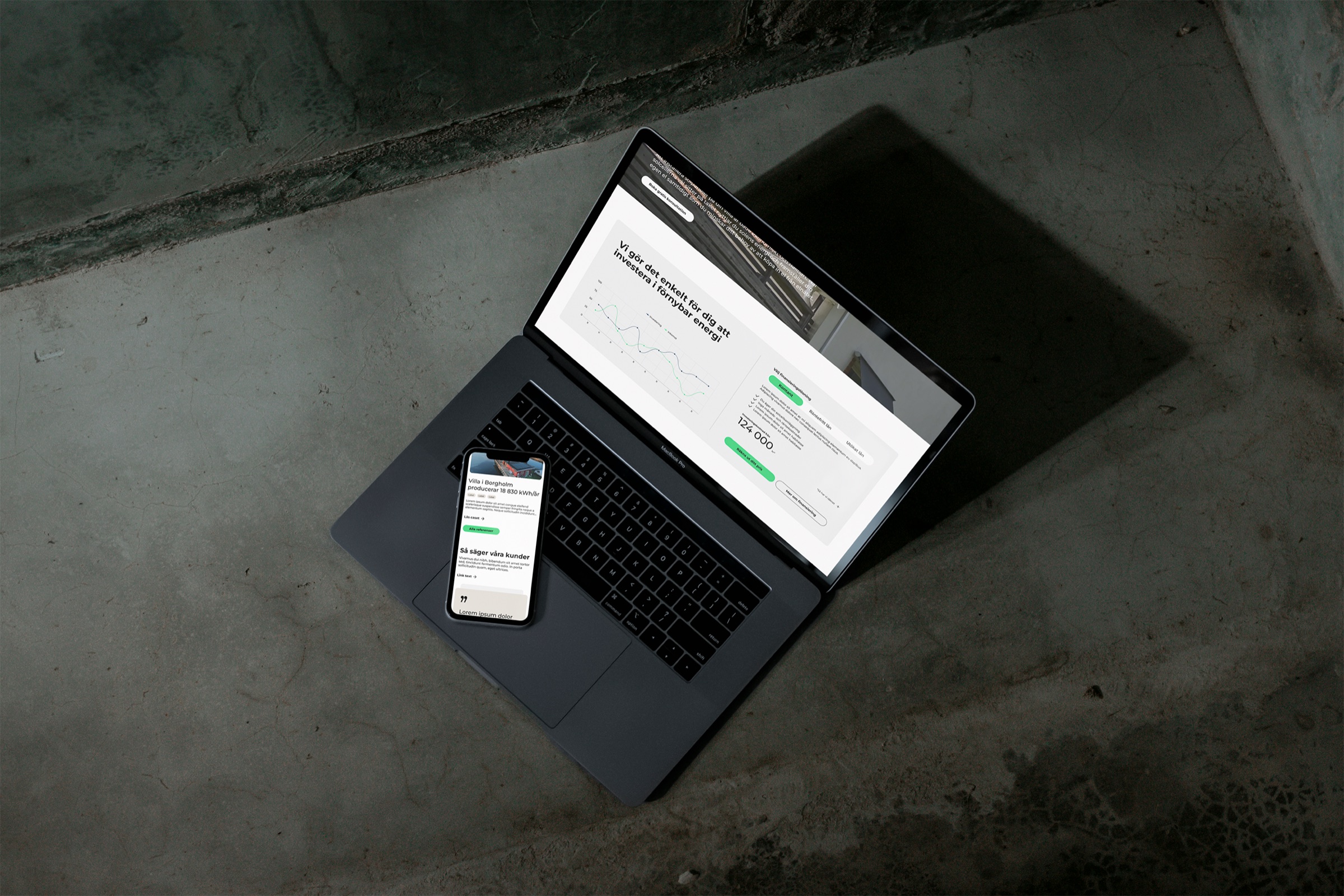
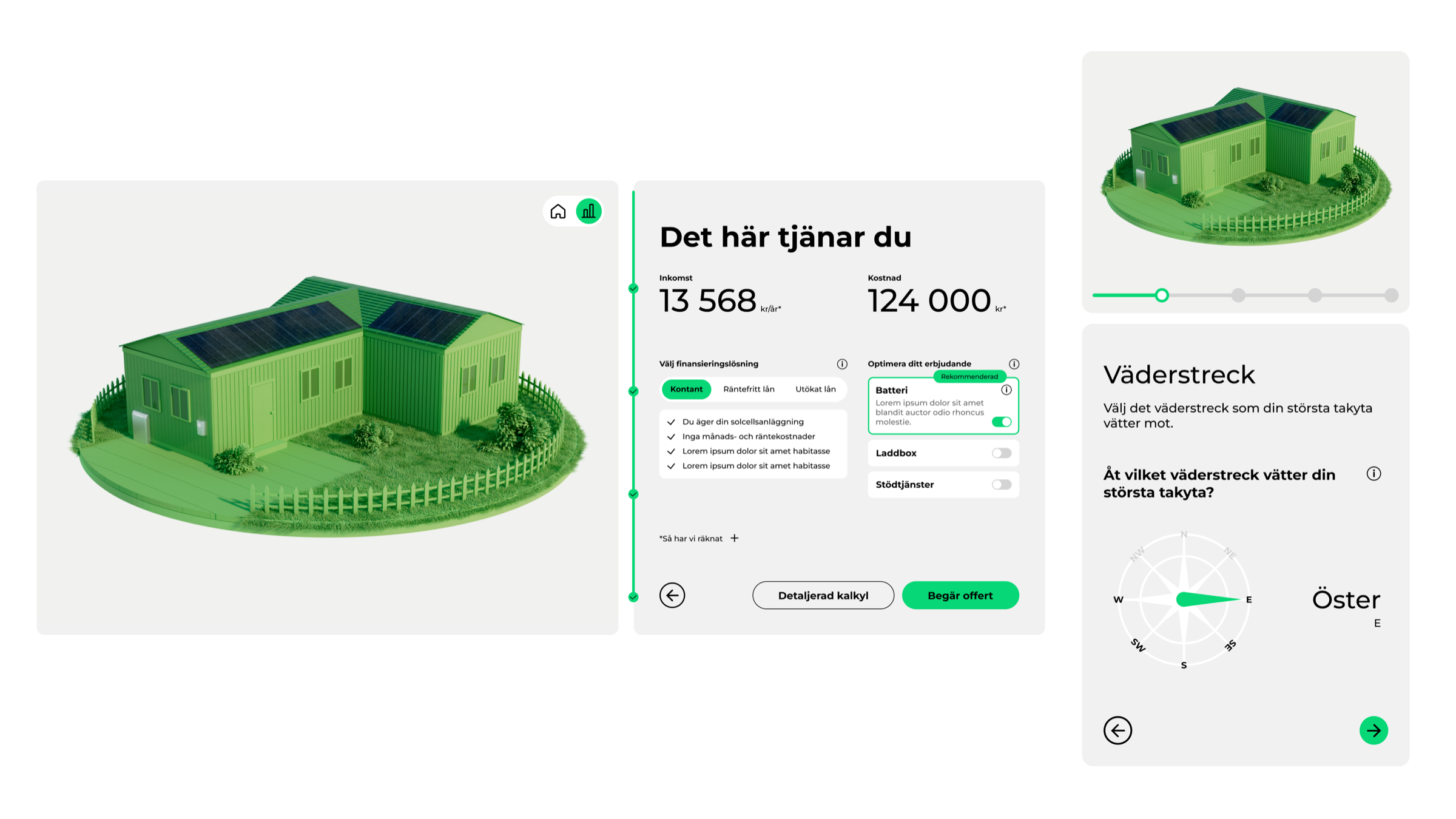
One of the largest initiatives on the website was building a solar savings calculator. By entering their zip code and roof specifications, users get a personalised estimate of how much they could save with solar panels – and can explore how adding a battery, EV charger, or different financing options affects their monthly costs.
Data driven, the calculator has been continuously refined based on evolving business needs and insights drawn from user behaviour analysis. As a result, it has become a meaningful driver of conversions – guiding users further along the journey toward a purchase decision.
Growing with Sesol
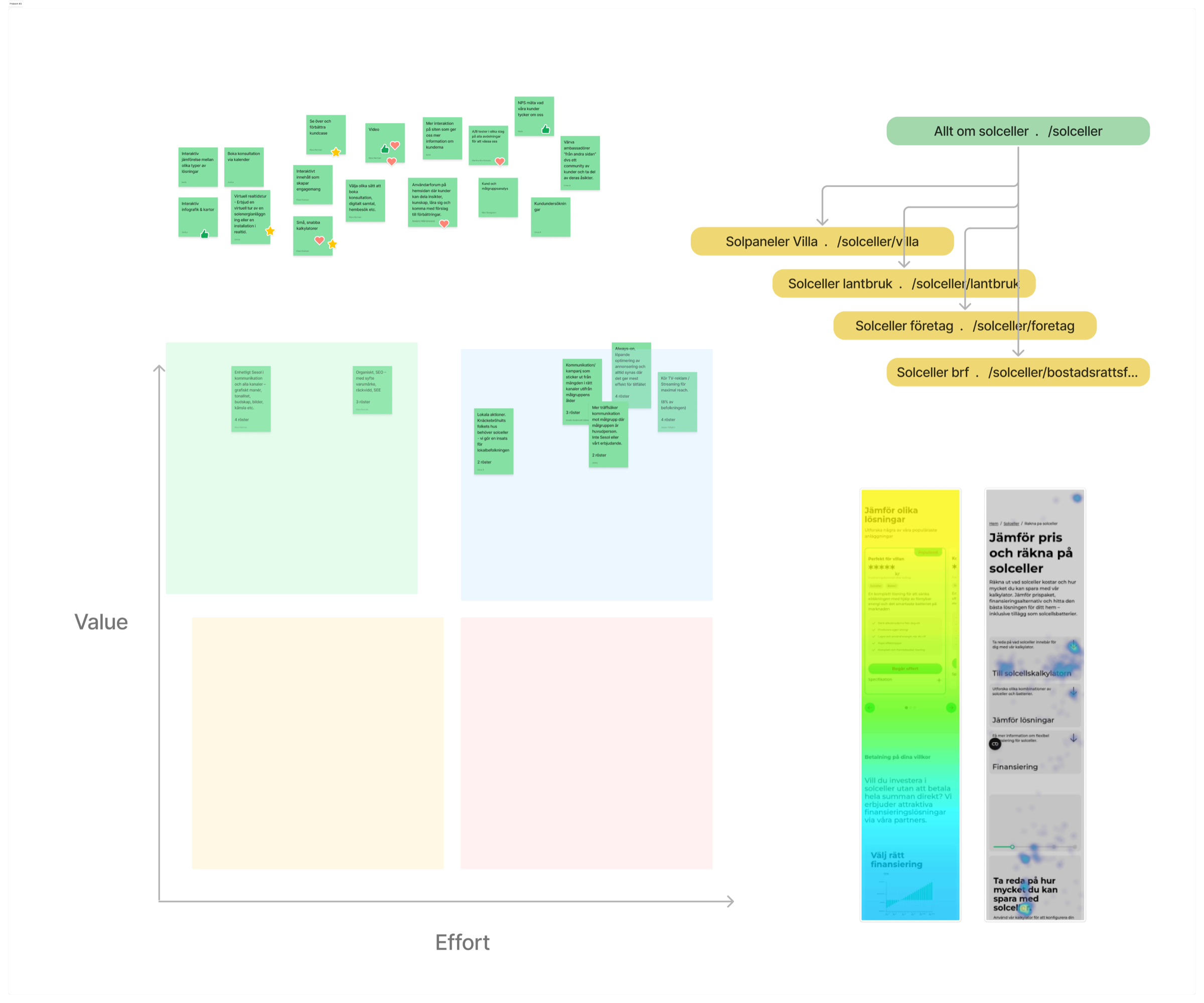
Optimise & Growth is our offer for clients seeking continuous improvement of their websites and digital products – an offer I both helped build and currently lead for Sesol. Each quarter I facilitate a workshop where we set OKRs and brainstorm initiatives, from which I plan and prioritise the actions that bring most value – then execute across strategy, analysis, and design.
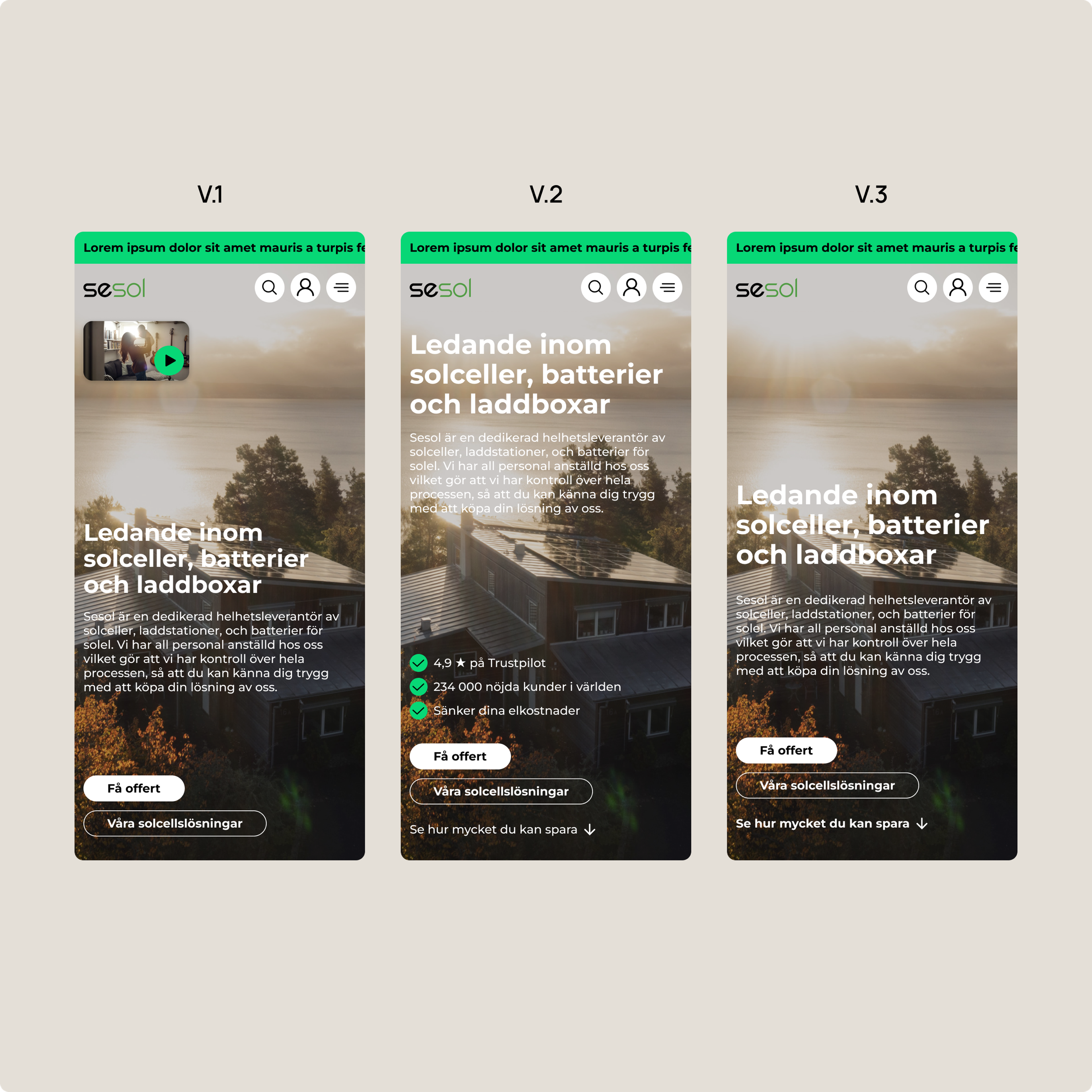
For Sesol, 2024 brought an ambitious target: a significant increase in leads generated through the website. Every initiative that year was shaped by that goal, with conversion rate optimisation at the centre of our work. Through refining the CTA strategy, growing both organic and paid traffic, and introducing new content blocks designed to capture leads, we met the target – finishing the year with 33% more leads than 2023.
Validating for user value
Experimentation was a core part of our work with Sesol. Before implementing anything significant, we validated ideas through A/B tests or user tests – giving us real-world insight into what worked and the opportunity to refine details before going live. The process followed a clear structure, with defined routines around what to test, when, and why.
Building customer satisfaction
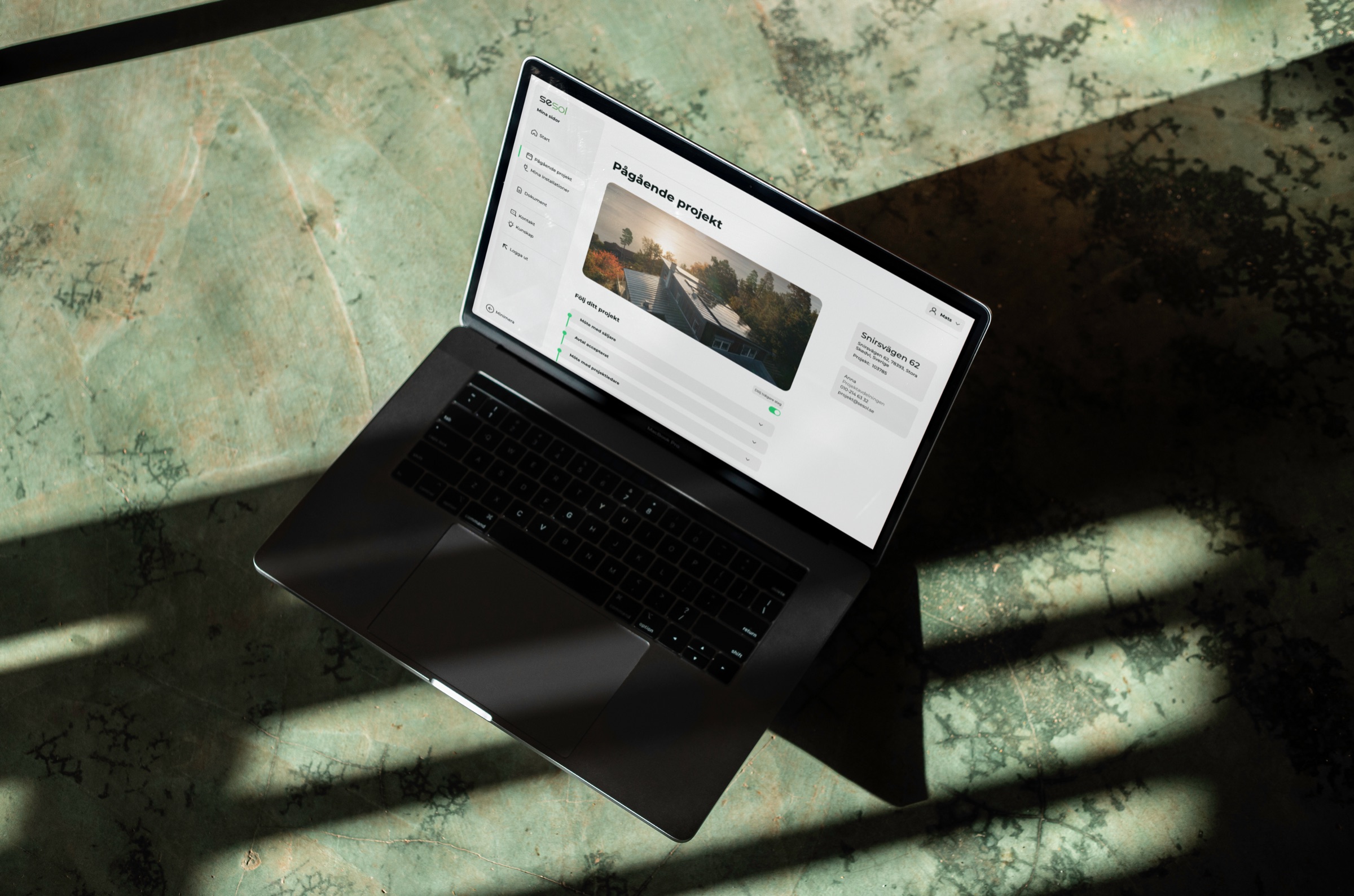
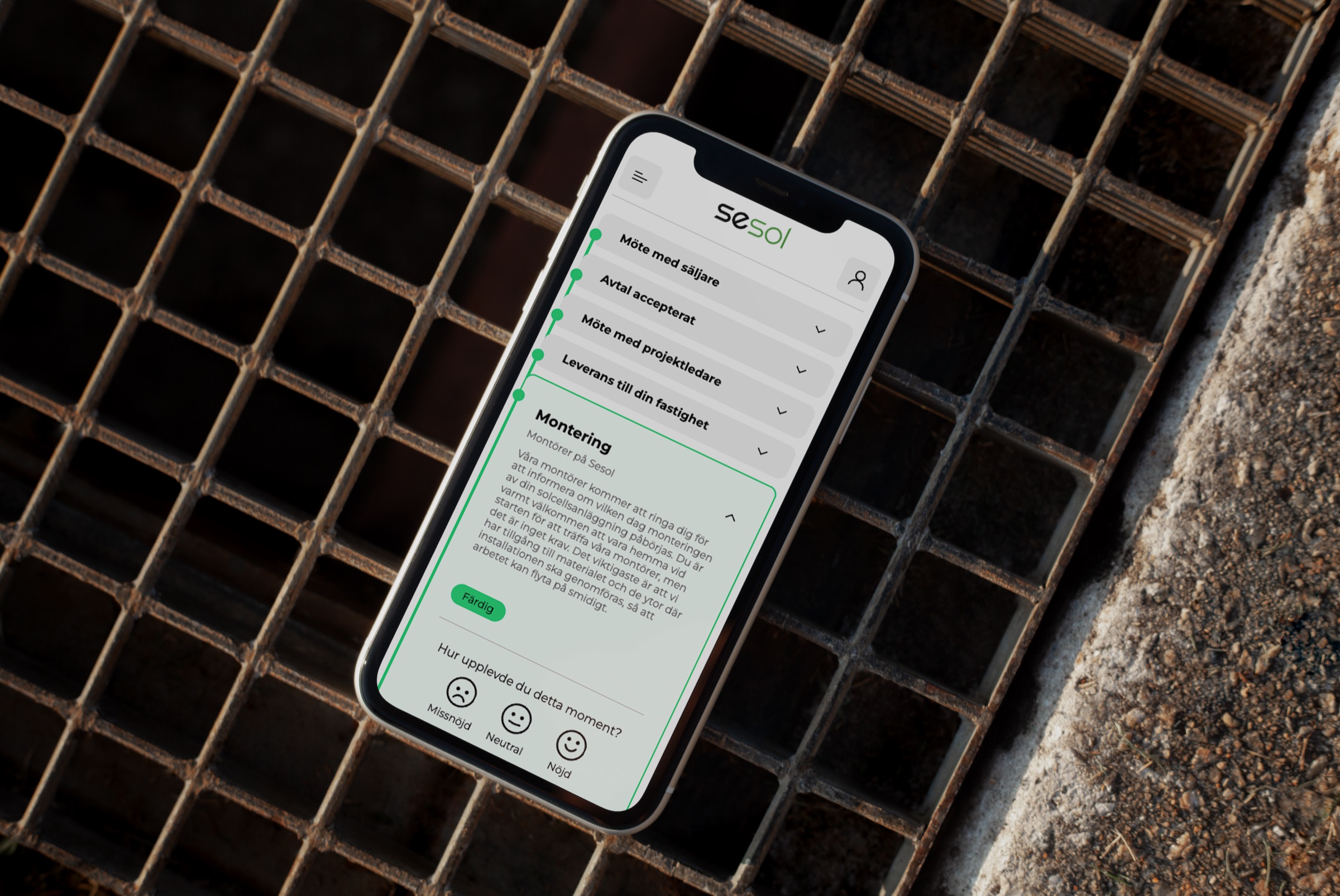
Customer support presented a significant challenge for Sesol – high call volumes and declining satisfaction scores pointed to a clear gap: customers lacked visibility into their own installation process. To address this, we designed and developed a customer portal – the largest parallel initiative made for the client.
Here users can log in to track their ongoing installation, find their assigned contact person, access documents and support resources, and view their current product setup. The result was customers who felt informed and confident at every step – reducing friction in the support process and driving a measurable increase in overall satisfaction.